Buying a new boat is a major purchase that combines lifestyle aspirations with practical considerations. Whether you are new to boating or upgrading from a previous vessel, the process involves more than selecting a model that looks appealing. Price, financing, maintenance, boat type, and where you buy all play a role in long-term satisfaction and cost control. Understanding these factors upfront helps ensure your investment aligns with how you plan to use the boat—and how much ownership will realistically cost over time.
How Much Does a New Boat Cost?
New boat prices vary widely, driven by several key factors. Size is one of the most significant, as larger boats require more materials, stronger engines, and additional systems.
Brand reputation also plays a role, with established manufacturers often commanding higher prices due to build quality, warranty coverage, and resale value. Features and customization can quickly increase cost. Advanced navigation electronics, upgraded engines, luxury seating, and onboard amenities all add to the final price. Hull material, propulsion type, and intended use—such as fishing, cruising, or watersports—also influence pricing. Understanding which features are essential versus optional helps prevent overbuying.
Many buyers finance new boats rather than paying in full. Marine loans are the most common option and are typically offered through banks, credit unions, or dealership financing partners. Loan terms can range from short-term options to extended terms that lower monthly payments but increase total interest paid. Leasing may be available for certain high-end or commercial vessels, though it is less common for recreational buyers. Dealership financing plans often bundle incentives such as promotional rates or extended warranties. Before committing, buyers should compare interest rates, loan lengths, and down payment requirements to find a structure that fits their budget and long-term goals.
The purchase price is only part of the total cost of ownership. Ongoing expenses include routine maintenance, fuel, insurance, registration, and storage. Annual maintenance may involve engine servicing, hull cleaning, and system inspections, all of which scale with boat size and complexity. Storage costs vary depending on whether the boat is kept at a marina, dry storage facility, or at home. Additional expenses may include winterization, trailer maintenance, and unexpected repairs. Factoring these costs into your budget is essential to avoid financial strain after the purchase.
What Type of Boat Should I Buy?
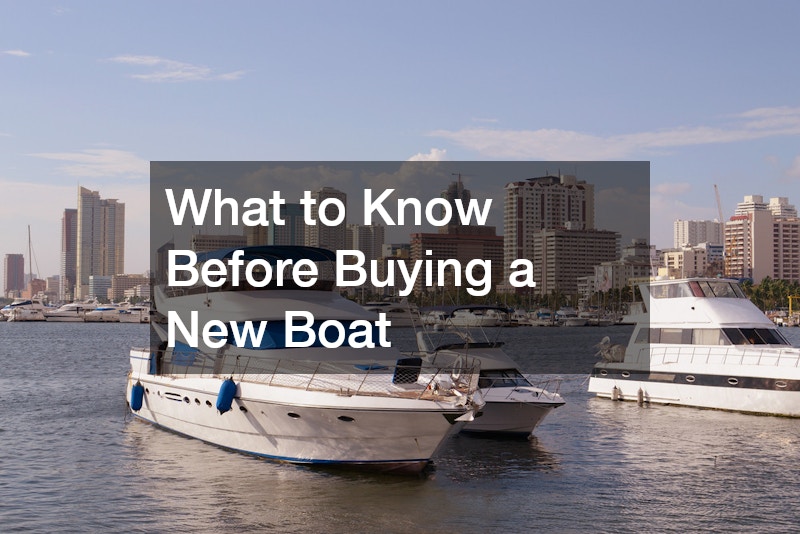
The boating market offers a wide range of options designed for specific activities. Powerboats, including bowriders and center consoles, are popular for recreational cruising, fishing, and watersports. Pontoon boats prioritize comfort and space, making them ideal for families and social outings. Sailboats appeal to those interested in a quieter, skill-driven experience, while personal watercraft offer affordability and ease of use for short trips. Cabin cruisers and yachts provide overnight accommodations and extended cruising capabilities but require greater investment and upkeep.
Choosing the right boat starts with a clear understanding of how you plan to use it. Consider where you will boat most often—lakes, rivers, coastal waters, or offshore—and how many passengers you typically expect. Usage frequency, experience level, and storage availability should also influence your decision. Lifestyle factors matter as well. Fishing enthusiasts may prioritize rod storage and livewells, while families may value seating, shade, and safety features. Being honest about your primary use case helps narrow the field and prevents buying a boat that does not align with your actual habits.
Each boat type comes with trade-offs. Powerboats are versatile and easy to operate but can be fuel-intensive. Pontoon boats offer stability and space but are less suited for rough water or high-speed travel. Sailboats have lower fuel costs but require more technical knowledge and time to operate. Larger boats provide comfort and amenities but bring higher maintenance, docking, and insurance costs. Smaller boats are more affordable and easier to store but limit passenger capacity and features. Weighing these pros and cons against your priorities ensures a better long-term fit.
Where Should I Buy a New Boat?
For new boat sales, dealerships are the primary purchasing channel. Buying from a dealership offers several advantages, including manufacturer warranties, financing options, and professional support throughout the buying process. Dealerships also handle registration, inspections, and delivery logistics, reducing administrative burden. Private sellers typically apply to used boat purchases, but in rare cases may offer new or unused models. While pricing may be lower, buyers assume more risk and responsibility. For most new boat buyers, dealerships provide greater protection and peace of mind.
Online platforms have become an important research and purchasing tool. Manufacturer websites, dealer inventories, and specialized boating marketplaces allow buyers to compare models, pricing, and availability from multiple sellers. These platforms are especially useful for initial research and identifying boats that meet specific criteria. While online browsing streamlines comparison, in-person inspections and test rides remain critical before finalizing a purchase. Reputable dealers will accommodate both online inquiries and on-site evaluations.
Buying locally offers convenience for service, warranty work, and ongoing support. Local dealers are familiar with regional boating conditions and regulations, which can be valuable for new owners. Transport costs are typically lower, and establishing a local relationship can simplify maintenance scheduling. Out-of-state purchases may provide access to broader inventory or more competitive pricing, but they introduce logistical considerations such as transport fees, taxes, and registration differences. Buyers should carefully evaluate whether potential savings outweigh added complexity.
Buying a new boat is a rewarding decision when approached with careful planning and realistic expectations. Understanding how pricing is determined, exploring financing options, and accounting for ongoing ownership costs helps prevent surprises after purchase. Equally important is selecting a boat type that matches your actual boating needs and lifestyle.
Where you buy also matters. Reputable dealerships, informed use of online marketplaces, and thoughtful consideration of location all contribute to a smoother buying experience. With thorough research and preparation, you can confidently invest in a new boat that delivers enjoyment, reliability, and long-term value.